Intelligence BriefMar 16, 2026
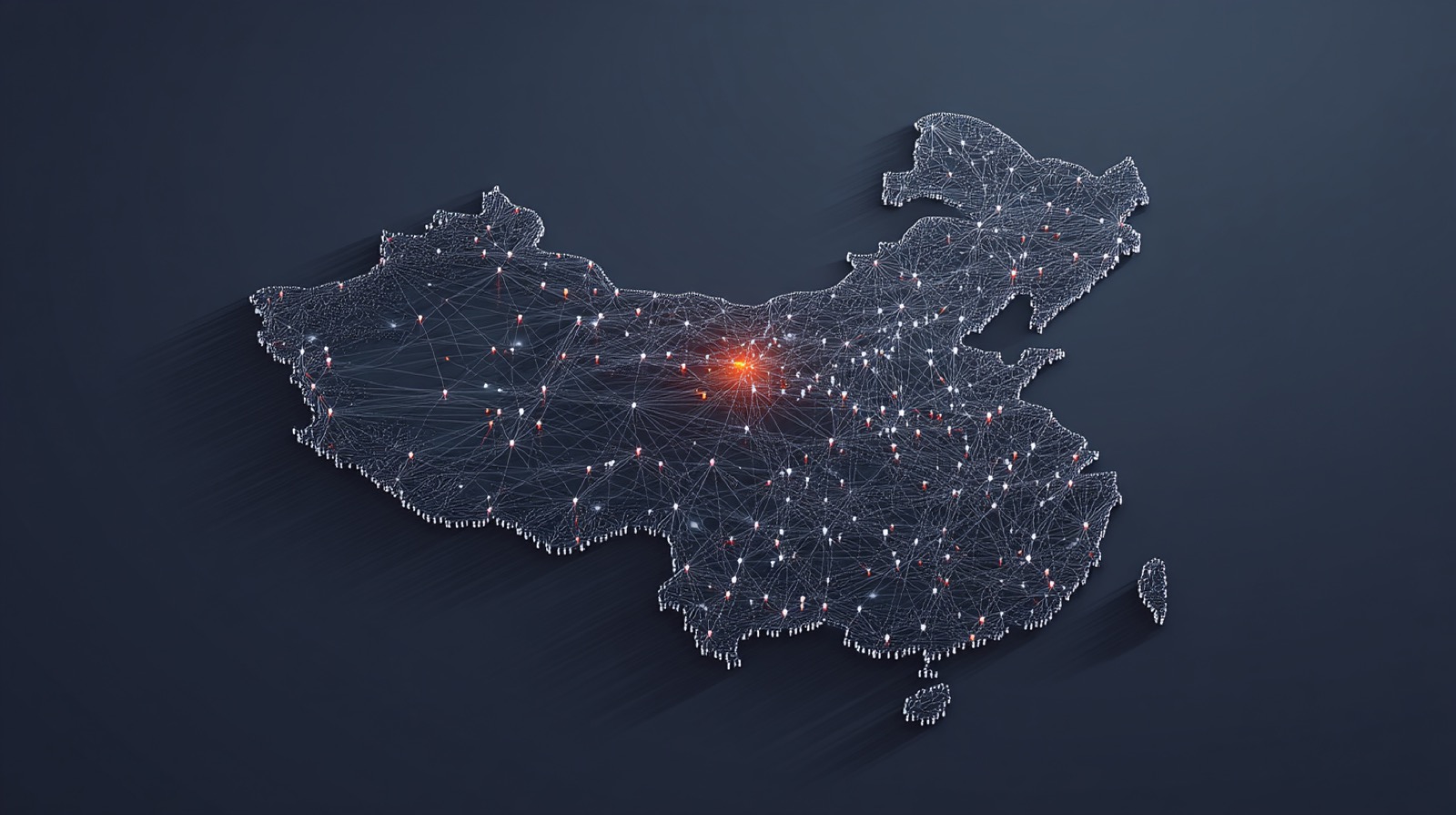
China was the only major economy to grow in 2020 — but beneath the headline numbers, structural challenges and rising hostility to Chinese investment abroad point to a more complicated outlook.
The Chinese economy expanded by 2.3% in 2020 with industrial production as the main driver, according to official data from the Chinese government. Industrial production increased by 7.3% year-on-year in December 2020 — the largest increase since March 2019. This growth stands in stark contrast with the first quarter of 2020, when the Chinese economy shrank by 6.8% compared to the same period in 2019.
China ended 2020 with GDP growth of 6.5% in the fourth quarter — beating the forecasts of many economists and making the country the only major economic power to register growth in the pandemic-ridden year. Despite this, China's economy grew at its slowest pace in forty years, a result of the lockdowns imposed to combat the initial COVID-19 outbreak.
Industrial activity came to an almost complete halt in January 2020, when lockdowns were implemented and demand from Western countries was dwindling. After a two-month lockdown, factories gradually resumed manufacturing — resulting in a year-on-year production increase of 3.9% in April. Chinese exports reflected this recovery: in December 2020 they were up 18.1% compared to the same month in 2019.
In 2020, Chinese economic growth targets were scrapped for the first time since 1990. Premier Li Keqiang said in May that uncertainty around the pandemic and the global trade environment made the target difficult to predict.
Facing rising unemployment, the Chinese government initiated economic support measures focused on smaller businesses — which contribute the majority of job growth in China — extending these measures until at least the first quarter of 2021.
Some observers have questioned China's apparent rebound from COVID-19. US financial newspaper Barron's argues that key economic numbers have been wildly inflated and that China lacks sufficient transparency in its financial reporting. Similarly, Leland Miller of China Beige Book Consultancy stated in an interview with The Guardian that, while China may appear to have rebounded, it is not anywhere near being back to where they were before.
2021 could prove a challenging year for the Chinese economy. Even with a relatively strong 2020, the looming shadow of structural problems remains. Three major challenges include an ageing population, a relatively weak position in high-tech and innovation sectors, and restrictions on capital flows. An ageing population means rising labour costs, which could undermine China's export position. According to the Wall Street Journal, Chinese urban workers are still working fewer hours and earning less than before the pandemic, despite government support — a problem that has particularly affected service industries and China's 290 million migrant workers.
Abroad, China may find the investment environment increasingly hostile. Countries including the US and many European states are becoming more wary of Chinese influence, as illustrated by clashes between China and the UK over the independence of Chinese broadcaster CGTN, and the controversy provoked by the EU-China investment agreement.
Given how severely European economies have been affected by the pandemic relative to China, some have raised concerns about European companies being acquired by Chinese investors at distressed valuations. These worries were voiced in May 2020 by Manfred Weber, leader of the European People's Party in the European Parliament, who warned that Chinese companies, partly with the support of state funds, are increasingly trying to buy up European companies that are cheap to acquire or that got into economic difficulties due to the coronavirus crisis — echoing concerns from the 2007-2008 financial crisis.
However, these fears proved largely unfounded. According to a report by law firm Baker McKenzie, announced takeovers in Europe fell by 93% in 2020 — likely due to China's focus on domestic economic recovery rather than outward investment. It is probable that Chinese investment into the EU will grow again once the global economy stabilises. This could present the EU with a dilemma: striking the right balance between allowing much-needed Chinese investment while managing the risk of increasing Chinese state influence.
We map who in China is building what, how advanced they are, who funds them, who they work with, and what their connections are to the Chinese military and state.